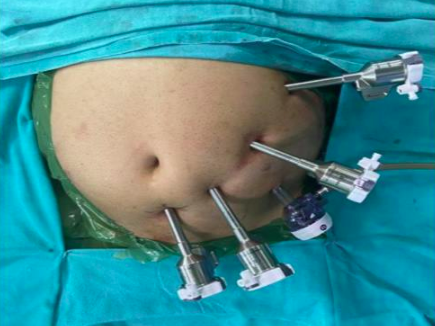

Laparoscopic Surgery
Laparoscopic Surgery, also known as minimally invasive surgery or keyhole surgery, is a modern surgical technique that uses small incisions and specialized instruments to perform operations with minimal trauma to the body. This advanced approach reduces pain, speeds recovery, and lowers the risk of complications compared to traditional open surgery.
Laparoscopic procedures involve making several small incisions (typically 0.5-1.5 cm) through which a laparoscope (a thin tube with a camera) and surgical instruments are inserted. The surgeon views magnified images of the internal organs on a monitor while performing the operation. Common laparoscopic procedures include gallbladder removal (cholecystectomy), appendectomy, hernia repair, hysterectomy, and various gastrointestinal surgeries.
The benefits of laparoscopic surgery include significantly less post-operative pain, smaller scars, reduced blood loss, shorter hospital stays (often outpatient or 1-2 days), and quicker return to normal activities. Many procedures that once required large incisions can now be performed laparoscopically with equal or better outcomes.
Recent advancements include robotic-assisted laparoscopic surgery which provides enhanced precision, flexibility and control. Our surgeons are highly trained in the latest laparoscopic techniques and use state-of-the-art equipment to ensure the best possible outcomes for our patients.